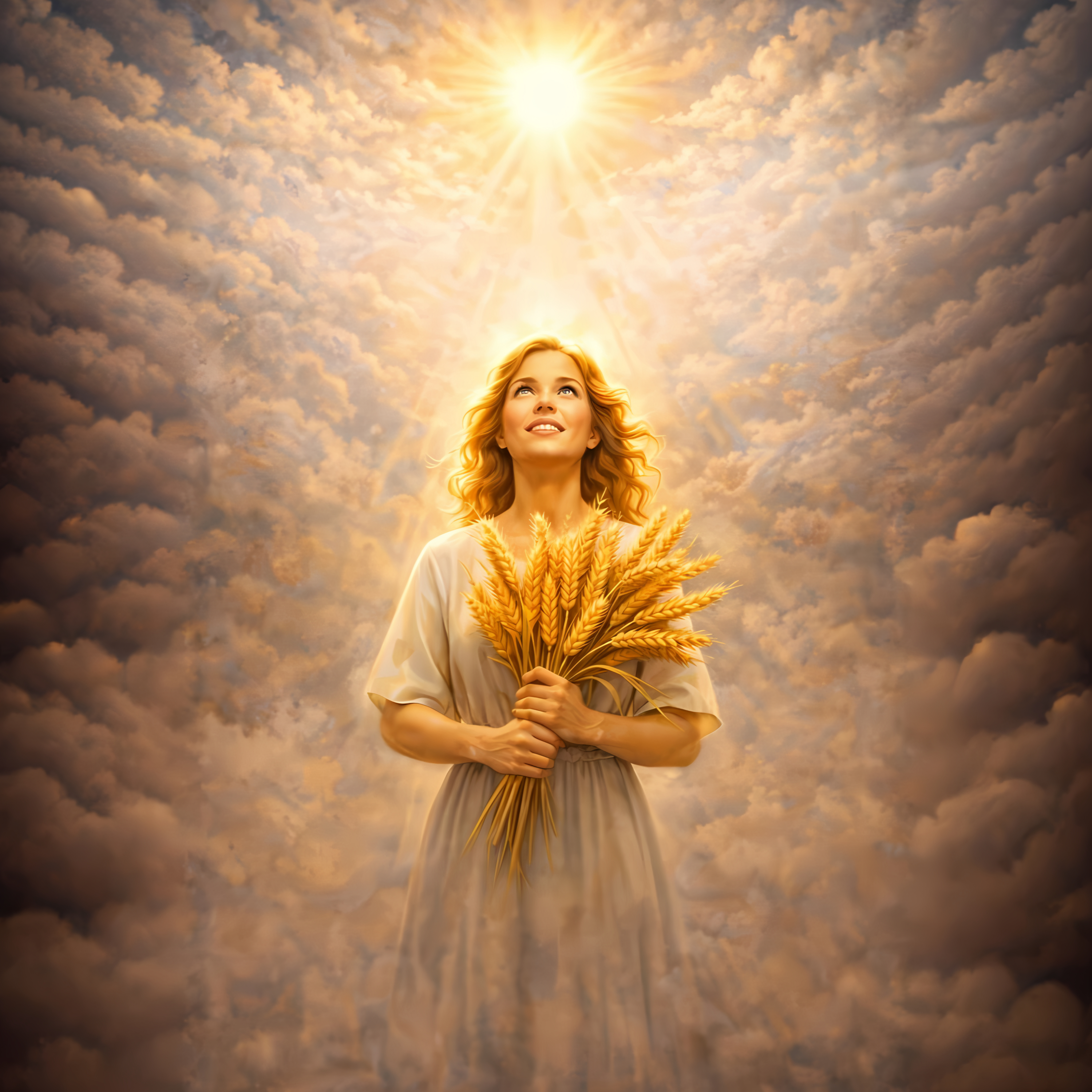
“Wheat and Tares” is built around the quiet but persistent tension between what is authentic and what only appears to be. The song does not rush toward answers or resolution; instead, it dwells in the reality that both can exist together for a time, intertwined and nearly indistinguishable. At its core, the song reflects on growth—not just as a process of becoming, but as a process that reveals. What is planted begins to take shape, but its true nature is not always immediately visible. There is an implied patience woven throughout the piece, a recognition that forcing early conclusions can disrupt what is meant to unfold naturally. The emotional center of the song rests in restraint. Rather than calling for immediate separation or judgment, it acknowledges that there is a season for everything. The presence of both wheat and tares is not framed as a mistake, but as part of a larger process that leads to eventual clarity. There is also an undercurrent of introspection. The imagery encourages the listener to look inward, to consider what is growing within themselves. What is rooted in truth? What only resembles it? The song does not answer these questions directly, but instead creates space for them to be asked honestly. As the song progresses, the idea of revelation becomes more pronounced. The separation is inevitable, but it is not rushed. It arrives at the appointed time, when what is real can no longer be hidden and what is false can no longer sustain itself. “Wheat and Tares” ultimately stands as a meditation on patience, discernment, and the quiet certainty that truth, though sometimes obscured, will eventually be made clear.
Loading comments…